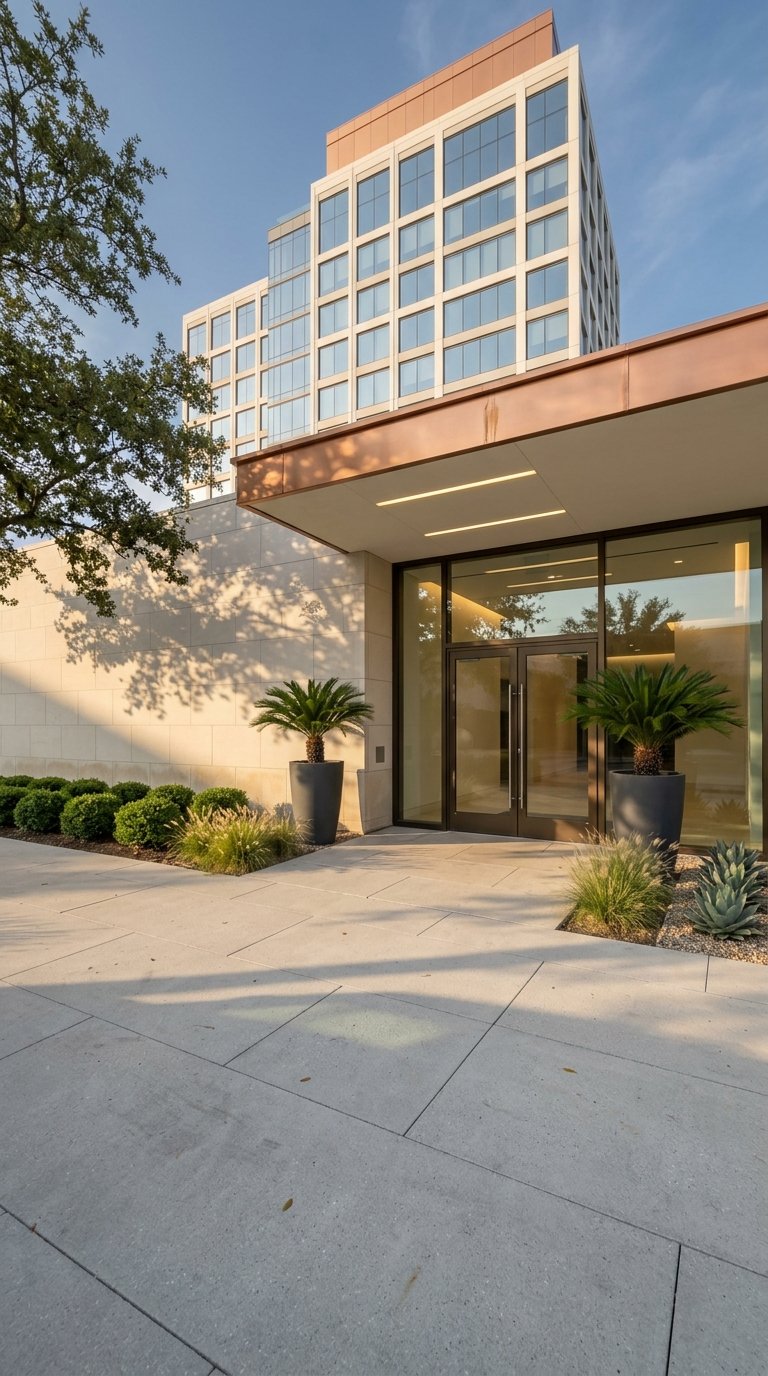
If you want a home that fits an active Austin lifestyle without the constant to-do list of exterior maintenance, Downtown Austin deserves a close look. For many buyers, lock-and-leave living offers a simpler way to enjoy the city, especially when travel, work, or downsizing makes convenience a priority. In this guide, you’ll learn what lock-and-leave really means in Downtown Austin, what to watch for in condo ownership, and how to choose a building that matches your routine. Let’s dive in.
Why Downtown Austin Fits Lock-and-Leave Living
Downtown Austin is one of the clearest places in the city for lock-and-leave living because the area is built around density, mobility, and everyday convenience. The City of Austin’s downtown planning vision focuses on a more livable urban core with walkable public spaces, trails, and multimodal transportation.
That planning shows up in day-to-day life. Downtown visitor resources describe the area as compact and walkable, with many districts within a 15 to 20 minute walk of each other. If you want restaurants, music venues, parks, and transit options close at hand, downtown offers a setup that can reduce the need for constant driving and yard work.
For many buyers, that means a condo can feel like a lifestyle upgrade rather than just a different property type. You get easier access to the city’s core while often giving up the exterior upkeep that comes with a detached home.
What Lock-and-Leave Means in Texas
In Texas, a condominium is a form of real property where you own your individual unit and share ownership of common elements with other owners. Under Texas law, unless the condo declaration says otherwise, the association is generally responsible for maintenance, repair, and replacement of the common elements, while you are responsible for your unit.
That legal structure is a big part of the lock-and-leave appeal. Instead of personally managing many exterior and shared-property tasks, you are often relying on the association to handle those responsibilities. This can make condo living especially appealing if you travel often, want a second home in Austin, or simply prefer a lower-maintenance setup.
Still, lock-and-leave does not mean no responsibility at all. You are still buying into a building, its rules, its finances, and its level of upkeep. That is why evaluating the association is just as important as evaluating the unit itself.
What You’re Really Paying For
One of the biggest misunderstandings about downtown condo living is cost. Condo fees are usually separate from your mortgage, and they can be a meaningful part of your monthly housing expense.
Those dues often help cover exterior and common-area maintenance, reserves, insurance, and utilities such as water, sewer, and trash. The exact coverage varies by building, so you should always ask for specifics rather than assume. According to CFPB guidance cited in the research, dues can range from a few hundred dollars a month to more than $1,000.
That does not automatically make a condo more or less affordable than a house. It simply means you need to look at the full carrying cost, not just the mortgage payment. In a downtown Austin building with strong services and amenities, higher dues may reflect a different kind of ownership experience.
Common Downtown Condo Features
Downtown Austin condos often lean into urban design and skyline living. Many buildings emphasize natural light, efficient layouts, and views that connect you to the city or the lake.
Features buyers often see in downtown towers include:
- Floor-to-ceiling windows
- High ceilings
- Private terraces
- Modern floor plans
- Skyline or lake views
These features can support the lock-and-leave lifestyle because they are designed for ease, comfort, and location-driven living. Instead of a large footprint to maintain, you may be trading space for simplicity, access, and a more turnkey feel.
Amenities Matter, But Fit Matters More
Many downtown towers offer a long list of amenities. Depending on the building, you may find concierge services, fitness centers, pools, clubrooms, pet areas, spas, or shared outdoor spaces.
Amenities can absolutely add convenience, but the better question is whether they match how you actually live. A polished amenity package may look great in marketing, but your day-to-day experience depends on how well those spaces are managed and whether you will use them.
If you travel often, concierge support and secure building access may matter more than a theater room. If wellness is part of your routine, an on-site gym or lap pool may carry real value. The goal is not to chase the longest amenity list. It is to find the building that best supports your lifestyle.
Walkability Is a Major Advantage
One of the biggest reasons buyers choose Downtown Austin is the ability to live with fewer errands, shorter trips, and more flexibility in how they move through the city. That is a core benefit of lock-and-leave living.
Visit Austin describes downtown as a compact district, and that can make a real difference in your routine. You may be able to walk to dining, entertainment, or daily destinations instead of planning around traffic and parking every time you leave home.
There is also strong access to outdoor space. The Ann and Roy Butler Hike-and-Bike Trail around Lady Bird Lake is a 10-mile loop that receives more than 2.6 million visits per year and serves as an alternative transportation route through the urban core. For buyers who want low-maintenance living without giving up access to movement and green space, that is a meaningful plus.
Downtown Living Is Not One-Size-Fits-All
A smart downtown condo search should look beyond the unit and building to the surrounding pocket of downtown. Different districts offer different energy levels and day-to-day experiences.
Visit Austin describes 2nd Street as a shopping, dining, and entertainment district. Red River is known for live music, while the Warehouse District is a hub for bars, clubs, and dining. Those differences matter if you are deciding between a quieter home base and a location close to nightlife or specific destinations.
This is where neighborhood-level guidance becomes especially valuable. Two buildings may both be “downtown,” but they can feel very different depending on noise, traffic patterns, walk routes, and what is nearby.
Transit Can Support a Car-Light Lifestyle
Downtown Austin also gives you more mobility options than many other parts of the city. CapMetro service includes bus, rail, bikeshare, and other transportation choices.
The Red Line runs Monday through Saturday from downtown Austin to Leander, and Downtown Station connects with bus service, bikeshare, scooters, and bike trails. If you want the flexibility to drive less, downtown makes that more realistic.
That does not mean every buyer can or should go car-free. It does mean your condo choice should reflect how you plan to move around. For some buyers, assigned parking is essential. For others, access to transit and walkability may reduce how much parking matters.
Due Diligence Matters More Than the View
A beautiful unit can be very appealing, but the real work of buying a downtown condo happens in the due diligence. Fannie Mae’s condo guidance recommends asking what the fee covers, whether parking is included or assigned, how much is in the reserve fund, whether special assessments are pending, what modifications are allowed, and whether the master insurance policy covers unit interiors as well as common elements.
Lenders may also evaluate the building’s physical condition, financial stability, lawsuits, and inspections. In other words, the health of the building can affect both your ownership experience and your financing path.
Texas also requires condominium associations to maintain recorded management-certificate information. For you as a buyer, that makes association documents and resale materials an important part of the review process, not a box to check at the very end.
Insurance Questions to Ask Early
Insurance is another area where lock-and-leave buyers should slow down and ask clear questions. In Texas, condo insurance usually covers the contents of your unit, fixtures and property you are responsible for, personal liability, and additional living expenses if you need to move out during repairs.
You should also confirm what the building’s master policy covers versus what you need to insure personally. That division can vary, and it directly affects your cost and risk.
Flood coverage deserves extra attention in downtown locations. Standard homeowners policies do not cover flood damage, and the need for separate flood coverage depends on the location. The City of Austin notes that the Waller Creek Tunnel reduces flood risk in downtown, but the creek trail itself can still flood, so site-specific review matters.
Key Questions Before You Buy
If you are comparing downtown buildings, the most useful questions are usually the most practical ones. Asking them early can save time and help you avoid surprises once you are under contract.
Consider asking:
- What exactly do the monthly dues cover?
- Is parking assigned, reserved, or separate?
- How healthy is the reserve fund?
- Are any special assessments planned or under discussion?
- What is the condition of major building systems?
- What does the master insurance policy cover?
- What changes can owners make inside their units?
- How renter-friendly is the building?
These questions help you move past surface-level appeal and focus on building health, monthly cost, and long-term ease of ownership. That is the real heart of lock-and-leave living.
How to Decide If It’s Right for You
Lock-and-leave living in Downtown Austin works best when your home supports the life you actually want to lead. If you value walkability, easy access to restaurants and cultural venues, lower exterior maintenance, and a more turnkey ownership experience, a downtown condo may be a strong fit.
At the same time, the right choice depends on more than the view from the balcony. You want a building with sound finances, a clear maintenance structure, manageable dues, insurance clarity, and a location that fits your preferred pace.
When you look at downtown through that lens, the decision gets simpler. It becomes less about chasing a tower name and more about finding the right balance of convenience, building quality, and everyday livability.
If you are weighing whether downtown lock-and-leave living fits your next move, working with a local advisor can help you compare buildings with a clear, practical lens. When you are ready for thoughtful guidance tailored to your goals, connect with Dru Brown.
FAQs
What does lock-and-leave living mean in Downtown Austin?
- In Downtown Austin, lock-and-leave living usually refers to condo ownership that offers less exterior and common-area upkeep because the association typically handles shared areas under the condo structure.
What do Downtown Austin condo fees usually cover?
- Downtown Austin condo fees often help cover exterior maintenance, common areas, some utilities like water, sewer, and trash, insurance, and reserve funds, but coverage varies by building.
What should you review before buying a Downtown Austin condo?
- Before buying a Downtown Austin condo, you should review the association documents, reserve funding, any pending special assessments, parking arrangements, insurance details, and the building’s overall condition.
Is Downtown Austin walkable for condo owners?
- Yes, Downtown Austin is described as compact and walkable, with many districts within a 15 to 20 minute walk of each other and access to trails, bikeshare, and transit.
Do Downtown Austin condo buyers need flood insurance?
- Some Downtown Austin condo buyers may need separate flood coverage because standard homeowners policies do not cover flood damage, so you should review the property’s location and insurance needs carefully.
Is every Downtown Austin condo building the same for lifestyle?
- No, different downtown districts offer different experiences, so your lifestyle fit may depend on whether you want easier access to shopping, dining, music venues, or a quieter day-to-day setting.