If your Northwest Hills home no longer fits the way you live, you are not alone. Many longtime owners in this part of Austin start to wonder whether the space, stairs, yard work, and upkeep still make sense, especially when they want to stay close to the area they know. The good news is that downsizing does not have to mean giving up your neighborhood ties or making a rushed decision. With the right plan, you can weigh lifestyle, taxes, timing, and nearby options with more clarity. Let’s dive in.
Why Downsizing Comes Up in Northwest Hills
Northwest Hills is one of Austin’s long-established neighborhoods, and that matters when you think about a move. The Northwest Austin Civic Association says the area formed in 1970, includes more than 6,200 single-family households and more than 5,000 apartments, and many homes within its boundaries are not part of an HOA.
That kind of housing mix often means more individual responsibility for upkeep. In Northwest Hills, maintenance can go beyond mowing and minor repairs. NWACA highlights tree health concerns, oak wilt prevention, and wildfire preparedness, and notes that almost all homes in the area are exposed to ember risk from wildfire.
For many homeowners, this is where the downsizing conversation starts. You may love the location but feel ready for fewer stairs, less yard work, and a home that better matches your daily routine.
What Downsizing Really Means
Downsizing is not always about buying the cheapest possible home. In Northwest Hills, it often means trading square footage and maintenance for simplicity, convenience, and a better fit.
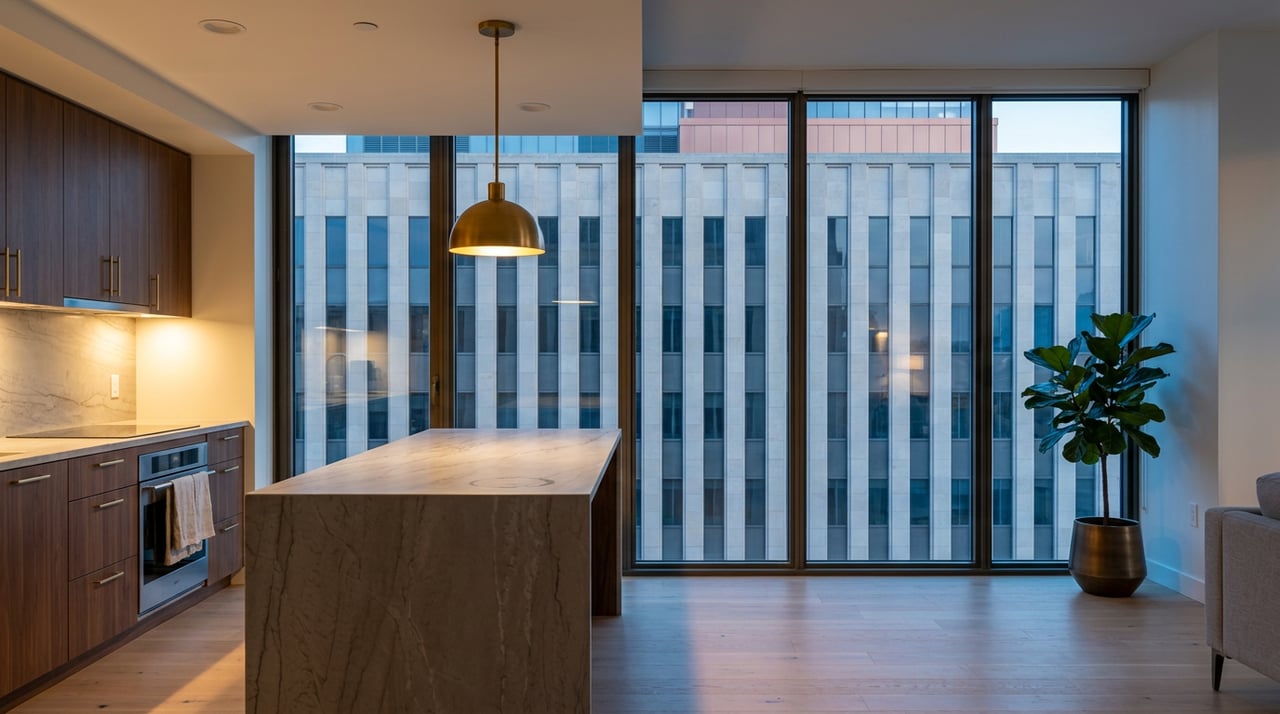
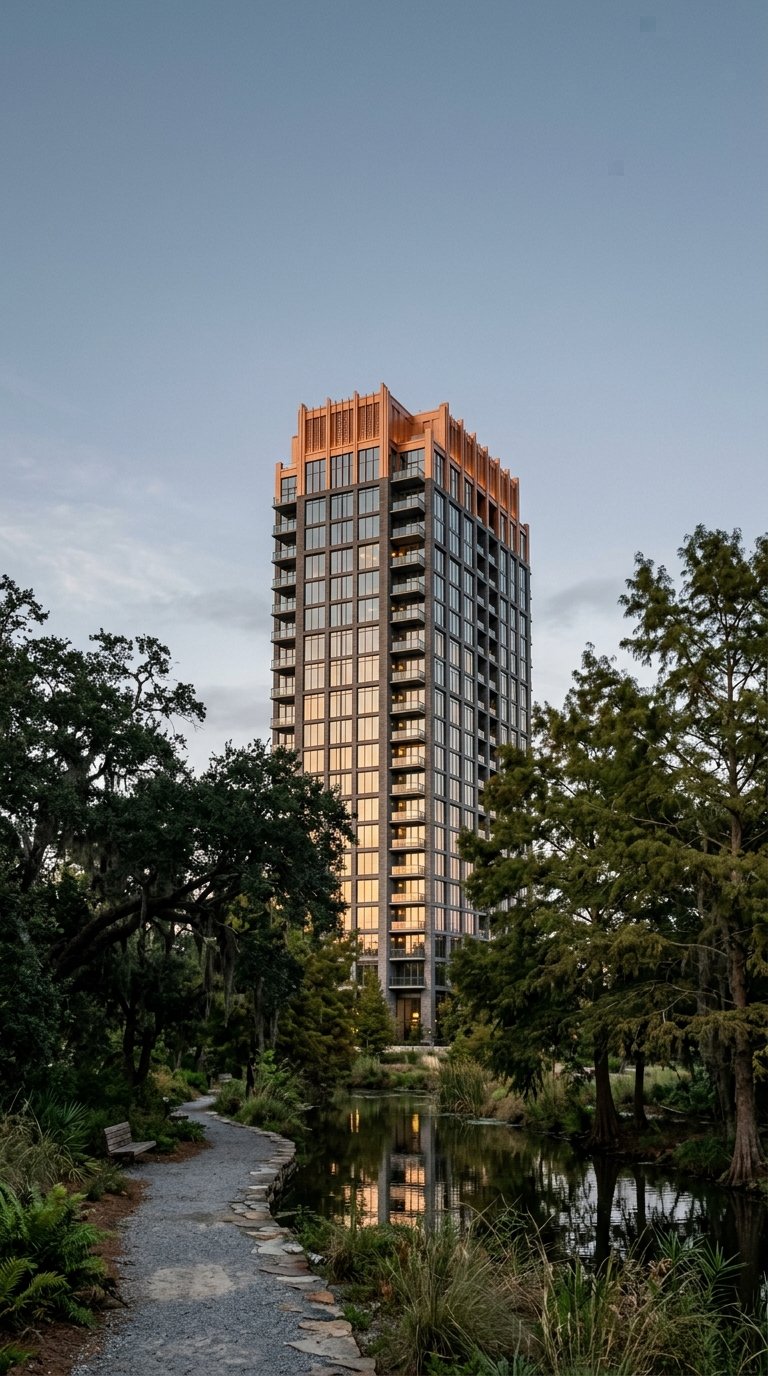
That could mean moving from a larger multi-level property into a single-story home, a smaller-lot house, a townhome, or a condo nearby. The goal is often to keep the parts of your lifestyle you value while reducing the work that comes with a larger property.
For some homeowners, that shift is about easier travel and lock-and-leave convenience. For others, it is about comfort, mobility, or simply wanting a home that feels easier to manage year-round.
Northwest Hills Maintenance Is a Real Factor
In some neighborhoods, a larger home may still feel fairly easy to own. Northwest Hills is different because the setting itself can create more ongoing responsibility.
NWACA points to tree care, wildfire readiness, and oak wilt prevention as important issues for local property owners. The City of Austin also identifies wildfire safety as a top priority in District 10, which includes Northwest Hills and other large neighborhoods with substantial parkland and housing.
That does not mean every homeowner should move. It does mean that if you are feeling tired of the upkeep, your concerns are practical, not just personal.
The Financial Side of Downsizing
Before you make a move, it helps to look at the numbers from more than one angle. In Northwest Hills, the biggest financial questions usually involve property taxes, equity, and whether a smaller home will actually cost less.
Texas does not have a state property tax. Property taxes are local, and the Texas Comptroller says a general residence homestead exemption can reduce taxable value.
If you are an over-65 homeowner, there is an especially important detail to know. Travis Central Appraisal District says qualifying homeowners receive a school tax ceiling and may transfer the same percentage of tax paid to a new qualified homestead in Texas.
TCAD also notes that if county, city, or junior college taxing units have adopted tax ceilings, some of those ceilings may transfer within the same taxing unit. That means moving does not automatically erase all of your existing property tax protections.
What About Capital Gains?
This is another common concern for longtime owners with significant equity. The IRS says a homeowner may exclude up to $250,000 of gain from the sale of a main home, or up to $500,000 on a joint return, if the ownership and use tests are met.
For many Northwest Hills sellers, that makes the equity conversation especially important. If you have owned your home for years, the value of your next move may depend less on whether prices are at an all-time peak and more on how your available equity can support your next chapter.
Will a Smaller Home Be Cheaper?
Not always. This is one of the biggest surprises for downsizers in Central and West Austin.
Nearby neighborhoods may offer homes with less maintenance, but not necessarily lower prices. Redfin’s March 2026 data shows Allandale with a median sale price of $930,000 and Rosedale at $989,990, both above Northwest Hills’ March 2026 median sale price of $757,500.
That is why the value of downsizing here is often lifestyle-driven. You may be paying for location, convenience, and a lower-maintenance property type rather than dramatically lowering your purchase price.
What the Current Market Says About Timing
If you are trying to decide whether now is the right time to explore a move, the broader Austin market offers some helpful perspective. Today’s conditions are much less frenzied than they were during the pandemic-era boom.
Redfin reported in February 2026 that the typical Austin home that went under contract in December 2025 spent 106 days on market. It also estimated that Austin had 128% more sellers than buyers in that month, and that the median home sale price fell 4.2% year over year.
The City of Austin’s FY2024 Annual Comprehensive Financial Report adds to that picture. It says the annual median Austin-area single-family home price was $445,000, down 1.7% from 2023, while homes spent 76 days on market and active listings rose 14.7%.
Together, those numbers point to a more balanced market. Buyers generally have more time to compare homes, and sellers usually benefit from stronger preparation and pricing strategy rather than a rush-to-list mindset.
How Northwest Hills Compares
Northwest Hills is still a relatively valuable neighborhood. Redfin’s March 2026 snapshot shows a median sale price of $757,500, 62 days on market, and a 96.5% sale-to-list price ratio.
So while the market is not moving at breakneck speed, Northwest Hills is not a deep-discount environment either. If you are considering downsizing, this is a market that tends to reward planning, presentation, and a clear replacement-home strategy.
Where Downsizers Often Look Nearby
One of the biggest benefits of living in Northwest Hills is that downsizing does not have to mean leaving the general area. You may be able to stay close to familiar routes, favorite businesses, and the parts of Austin that already feel like home.
The City of Austin places Great Hills, Jester, Tarrytown, and Old Enfield in District 10 alongside Northwest Hills. Redfin also points to nearby markets such as North Shoal Creek, Northwest Austin, North Loop, Wooten, Rosedale, Brentwood, Crestview, Allandale, and Davenport Ranch.
In these areas, common move-down property types include:
- Single-story homes
- Smaller-lot homes
- Townhomes
- Condos
Redfin’s neighborhood data specifically highlights condos and single-story homes in Allandale, while Rosedale includes condo and townhouse activity. That gives Northwest Hills owners real options if the goal is to stay relatively central while reducing upkeep.
Questions to Ask Before You Make a Move
Downsizing works best when you define what you actually want your next home to solve. A smaller property is only helpful if it improves your daily life.
Start with a few practical questions:
- Do you want fewer stairs?
- Would less yard work make the home feel easier to enjoy?
- Do you want a lock-and-leave property for travel?
- Is staying near Northwest Hills more important than lowering your monthly costs?
- Would a single-story layout feel better long term?
These answers help shape your search. They also help you avoid moving from one home that no longer fits into another that misses the mark in a different way.
A Smarter Way to Plan a Northwest Hills Downsize
In this market, the best timing is often personal rather than purely seasonal. Because inventory is higher and buyers have more room to compare options, you can often approach the process with more patience than sellers had a few years ago.
That creates space to plan your sale, understand your tax position, and study nearby options before you commit. It also makes replacement-home strategy especially important, since moving into a smaller home nearby may not mean moving into a cheaper one.
A thoughtful downsizing plan usually includes three parts:
- Understanding your current home’s likely market value
- Reviewing how taxes and equity may affect your move
- Identifying which nearby home types truly support your next stage of life
If you are asking whether it is time to downsize in Northwest Hills, the answer may be less about age and more about alignment. When your home asks more from you than it gives back, it may be time to explore what a simpler next move could look like.
If you want clear, neighborhood-specific guidance on selling strategically and finding the right lower-maintenance fit nearby, Dru Brown can help you map out your options with a calm, local perspective.
FAQs
Will I lose my homestead benefits if I move from Northwest Hills?
- Not necessarily. Travis Central Appraisal District says over-65 homeowners may transfer the same percentage of tax paid to a new qualified homestead in Texas, depending on the taxing units involved.
Will I owe taxes when I sell my Northwest Hills home?
- Possibly, but the IRS says homeowners who meet the ownership and use tests may exclude up to $250,000 of gain if single or up to $500,000 on a joint return.
Are there smaller homes near Northwest Hills for downsizers?
- Yes. Nearby areas include places such as Allandale, Rosedale, Great Hills, Jester, Tarrytown, and Old Enfield, with options that can include single-story homes, townhomes, and condos.
Is now a good time to downsize in Northwest Hills?
- The current Austin market appears more balanced than in recent years, with more inventory and longer market times, which can give you more room to plan both your sale and your next purchase.
Does downsizing in Northwest Hills always lower my housing costs?
- No. In this part of Austin, downsizing often reduces maintenance and changes your lifestyle fit, but a smaller home in a nearby central neighborhood may still carry a premium price.