Trying to choose between a sleek high-rise condo and a stylish townhome near Downtown Austin? The right choice depends on what you want to own, how you prefer to live, and the rules that come with each option. This guide breaks down ownership, HOA fees, insurance, amenities, parking, financing, resale, and rental rules so you can move forward with confidence. Let’s dive in.
What you own
Condos
In a typical condominium, you own the interior of your unit plus a shared interest in common elements like the structure, land, elevators, and hallways. The building operates under a recorded condominium declaration and an owners’ association manages the common areas. Your day-to-day maintenance is usually lower because the association handles most building systems and exterior items.
Townhomes
“Townhome” describes the building style more than the legal form. Many townhomes are fee simple, which means you own the land under your home and the structure itself. Others are created as condominium regimes, where you own only the unit and share the rest through the association. Do not assume a townhome is fee simple. Always verify the recorded ownership in the deed and declaration.
Why this matters
The legal form determines who insures what, who maintains the roof and shared structures, how assessments work, and what lenders review. In Texas, condominium and HOA matters are governed by provisions of the Texas Property Code and related statutes. Knowing your exact ownership helps you forecast costs and avoid surprises later.
HOA, insurance, and maintenance
HOA scope and fees
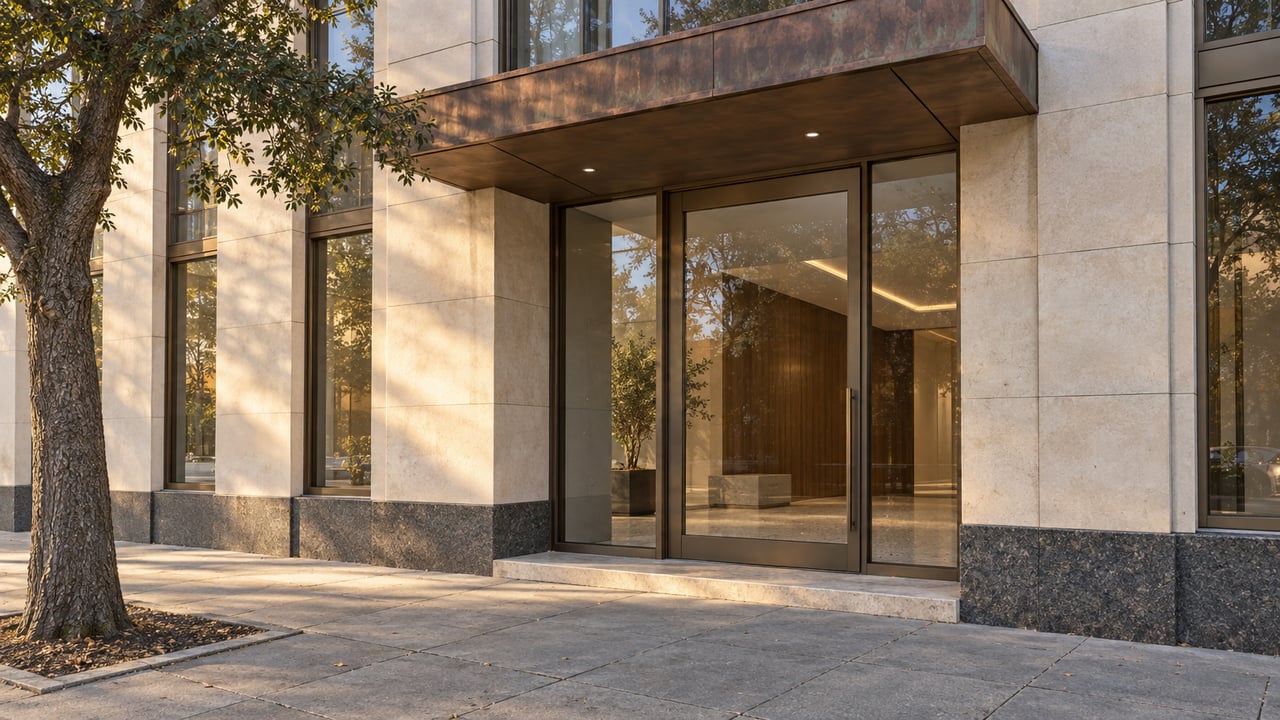
- Condos: Downtown high-rises often include concierge service, on-site management, fitness centers, pools, package rooms, and structured parking. Dues tend to be higher because they fund staffing, major building systems, reserves, insurance, and amenities.
- Townhomes: If fee simple, the HOA may maintain common landscaping, gates, and limited exterior items, while owners handle roof, siding, and private yards. If the townhome is a condo regime, the association may act more like a condo HOA with broader maintenance responsibilities.
- Reserves: Regardless of property type, a well-funded reserve account and current reserve study are key. Weak reserves can lead to special assessments.
Insurance basics
- Condos: Associations typically carry a master policy for common elements and the building shell. You will usually need an HO-6 policy to cover interior improvements, personal property, loss of use, and liability. The master policy type (walls-in vs walls-out) determines what you must insure inside your unit. Review the association’s declarations and master policy details before you bind coverage.
- Townhomes: Fee simple owners generally carry a standard homeowner policy that covers the structure and the land you own. If the townhome is within a condo regime, expect a master policy plus your HO-6, similar to a condo. Ask for the association’s insurance certificate and owner requirements.
Maintenance and assessments
- Condos: Associations commonly maintain exteriors, structural elements, elevators, and shared mechanical systems. Owners usually handle interior finishes and appliances, unless the documents state otherwise.
- Townhomes: Fee simple owners are typically responsible for roof, siding, exterior paint, driveways, and private landscaping. The HOA’s role depends on the covenants.
- Assessments: High-rise buildings with elevators, structured parking, and complex systems can face larger assessments if reserves lag. Townhome communities can also levy assessments for shared repairs. Always review recent assessment history and meeting minutes.
Amenities and lifestyle
Services and perks
Downtown condos often deliver a lock-and-leave lifestyle with concierge service, staffed security, fitness centers, pools, and rooftop spaces. Townhomes usually offer fewer shared amenities, but you may gain private outdoor space, a small yard, or a rooftop deck. Your preference for on-site services versus self-serve living will guide your choice.
Parking and storage
High-rise condos typically provide structured garages with assigned or deeded spaces. Guest parking can be limited, so some buildings rely on valet or paid options. Townhomes near downtown usually include private garages and driveways, with street parking rules varying by block. Austin continues to adjust parking policy for infill areas, and downtown projects often build with reduced parking. Confirm exact parking rights and guest options before you buy.
Noise and privacy
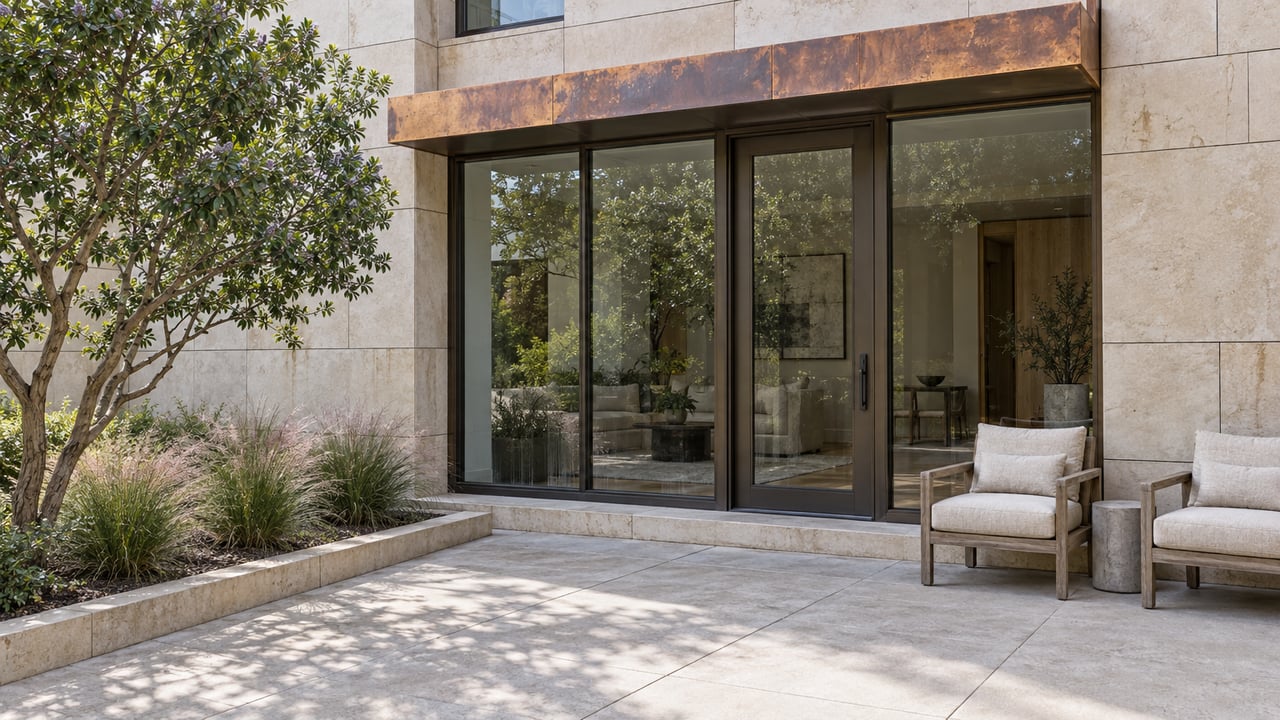
Condos offer vertical living, more neighbors, and shared corridors, which can mean more people traffic. In return, you gain walkability and views. Townhomes feel more house-like with private entries and fewer shared walls, though party walls can still transmit noise. Tour at different times of day to gauge your personal comfort.
Walkability and transit
Both condos and townhomes exist in and around Downtown Austin. Walkability depends more on the specific block, nearby streets, and adjacent uses than the property type. If you value a short walk to restaurants, offices, or transit, focus your search on location and orientation.
Financing, resale, taxes, and rentals
Condo financing
Condominiums can face extra lender review. Many loans require project approval and a look at the association’s financials, owner-occupancy ratios, rental levels, any litigation, and special assessments. Work with your lender early and ask the listing agent for HOA documents so your lender can confirm eligibility.
Townhome financing
Fee simple townhomes are typically underwritten like attached single-family homes, which can be simpler for conventional, FHA, or VA loans. If the townhome is a condo regime, expect condo-style project review by the lender.
Resale and liquidity
Resale pace for condos varies by building, age, amenities, and association health. Established buildings with solid governance and maintenance histories tend to attract a steadier buyer pool. Townhomes often appeal to buyers who want a private garage and a more independent feel. In Austin, supply, new construction, and investor activity shape demand, so rely on current MLS and local market reports for timing and pricing.
Taxes and rental rules
Both property types are subject to Travis County appraisal and local tax jurisdictions. Your annual tax bill depends on appraised value and rates. Rental rules are set by each association. Many downtown condos restrict short-term rentals and may limit long-term leases with minimum terms or caps. Townhome communities vary widely. Review the governing documents and enforcement history if renting now or later is part of your plan.
Quick buyer checklist
Use this list to streamline your due diligence:
- Confirm legal ownership: condo unit vs fee simple lot.
- Request HOA documents: declaration, bylaws, rules, recent minutes, budget, reserve study, insurance certificate, and financial statements.
- Verify dues, what they cover, and any pending or recent special assessments.
- Clarify master policy coverage and required owner policy type.
- Ask about reserves, project capital plans, and assessment history.
- Check any association litigation or building issues.
- Confirm parking rights: deeded vs assigned, guest parking rules, and storage.
- Review rental restrictions and lease terms or caps.
- Compare recent sales for valuation and expected resale pace.
- Note local context: nearby bus routes, nightlife blocks, and construction.
- If buying a condo, have your lender confirm project eligibility early.
- Review property tax history and appraisal values.
Which one fits you
- Choose a condo if you want a low-maintenance, service-rich lifestyle, structured parking, amenities, and strong security, and you are comfortable with higher dues and possible rental limits.
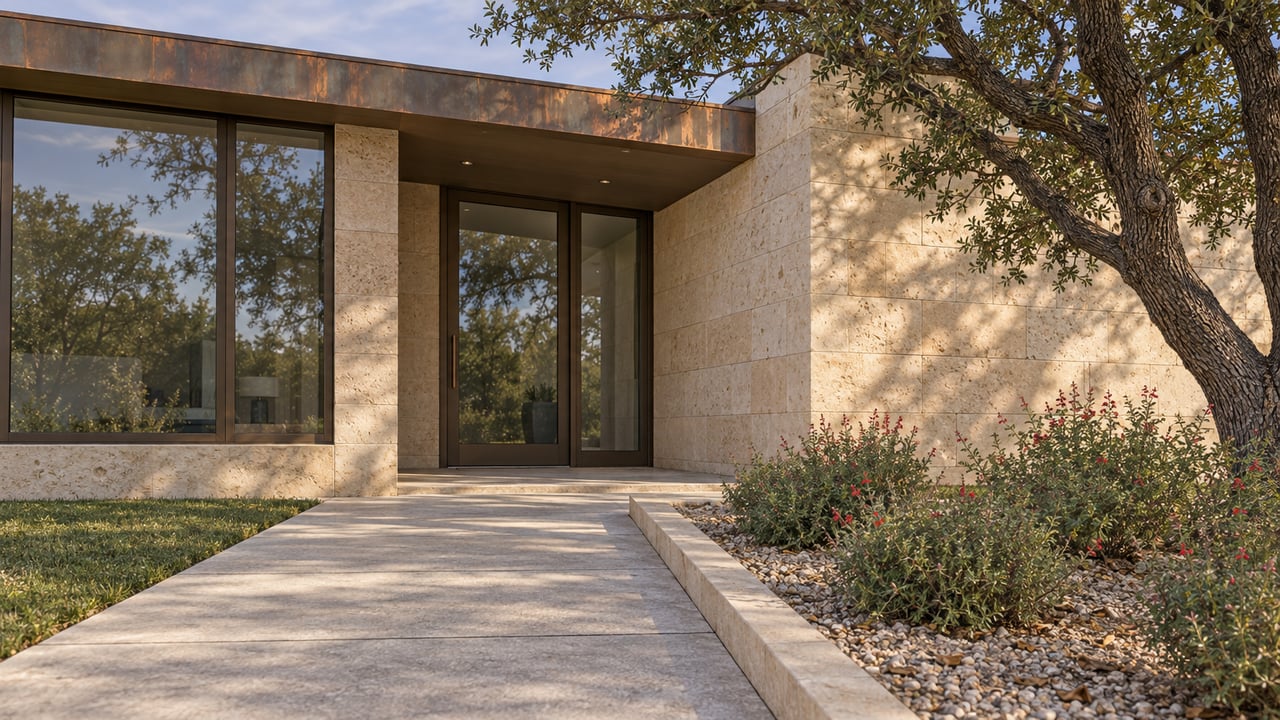
- Choose a townhome if you want a private entry, a garage, small outdoor space, and a house-like layout, and you are comfortable taking on more exterior maintenance and varied HOA scopes.
When you want tailored guidance for Downtown Austin and nearby neighborhoods, connect with a local expert who blends calm strategy with premium marketing reach. If you are weighing buildings or need a clear read on HOA health and resale, reach out to Dru Brown for a focused plan.
FAQs
What is the legal difference between a condo and a townhome in Texas?
- A condo owner typically owns the unit interior plus a shared interest in common elements under a condo declaration, while a townhome can be fee simple or a condo regime. Always verify the recorded ownership in the deed and governing documents.
How do HOA fees typically compare for downtown condos vs townhomes?
- High-rise condos often have higher dues because they fund major building systems, staffing, insurance, and amenities; townhome dues vary and may be lower if owners handle more exterior maintenance.
What insurance do I need for a condo or townhome in Austin?
- Condo owners usually carry an HO-6 policy to cover interiors and personal property, while fee simple townhome owners typically carry a homeowner policy that covers the structure and land they own.
How does financing differ for condos versus townhomes?
- Condo loans often require project approval and a review of the association’s financials, owner occupancy, rentals, and litigation; fee simple townhomes are usually underwritten like attached single-family homes.
Are rentals allowed in downtown Austin condos and townhomes?
- Many condo associations set rental limits or minimum lease terms, while townhome rules vary; always review the HOA’s governing documents and rental history before you buy.
What should I review before making an offer on a condo or townhome?
- Obtain the declaration, bylaws, rules, minutes, budget, reserve study, insurance certificate, assessment history, parking rights, rental rules, recent comps, and for condos, lender confirmation on project eligibility.