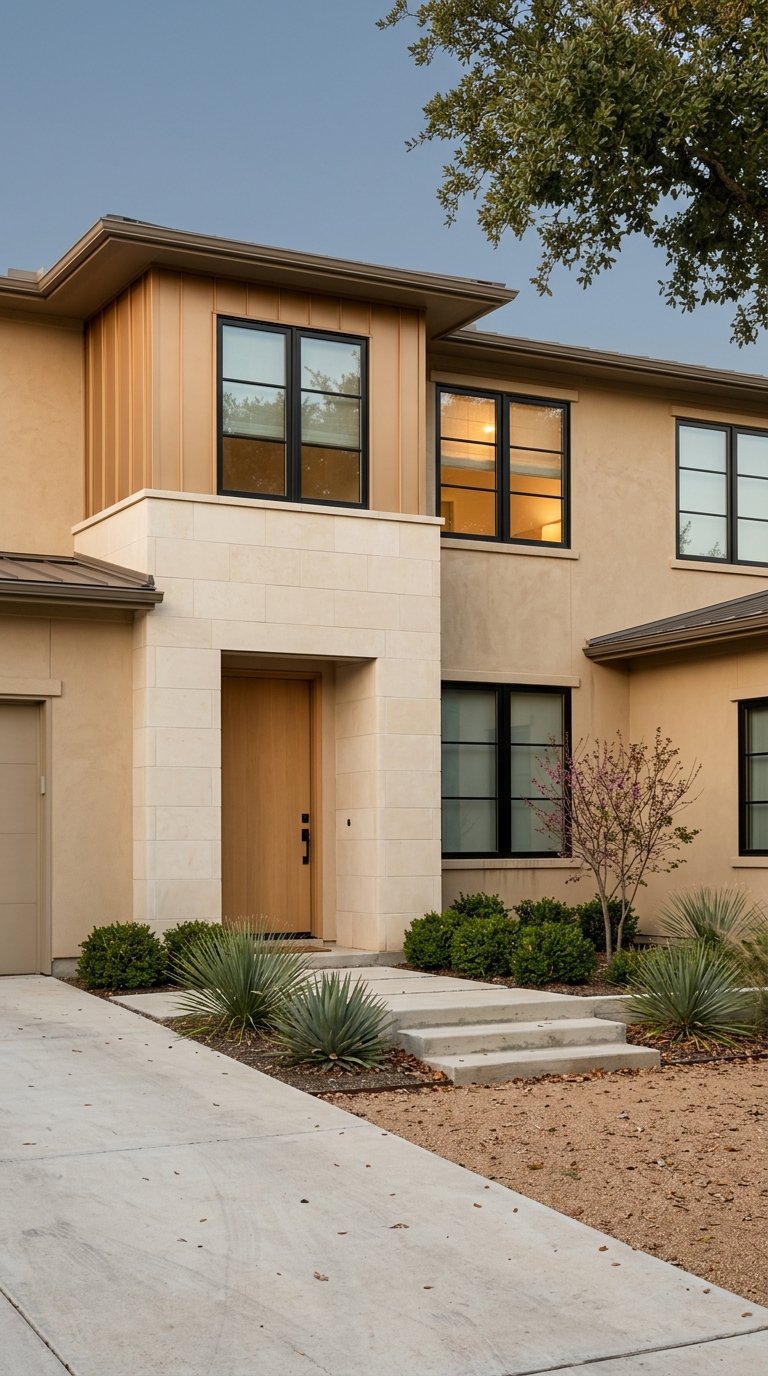
Thinking about moving up in South Austin, but not sure how to sell one home and buy the next without the process turning messy? You are not alone. For many homeowners in 78745, the biggest challenge is not whether to move, but how to time the sale, protect your equity, and make a smart next purchase. This roadmap will help you understand the market, compare your timing options, and plan your next step with more confidence. Let’s dive in.
What the 78745 market looks like
If you are planning a move-up purchase in 78745, it helps to start with a clear view of the current market. Recent zip-level data shows home values in the mid-$400,000s, which gives many South Austin owners meaningful equity to work with, but not a wide margin for costly mistakes.
Redfin’s 78745 housing market data reported a February 2026 median sale price of $458,000 and about 85 days on market. That points to a market where homes are still moving, but usually not at the breakneck pace buyers and sellers saw a few years ago.
At the broader regional level, Unlock MLS reported that the Austin-Round Rock-San Marcos metro had 3.7 months of inventory in January 2026, while Travis County was at 3.9 months of inventory with a median price of $445,000. In plain terms, buyers often have more options, and sellers usually need a stronger strategy on pricing, preparation, and negotiation.
That balance can actually help move-up buyers. You may have a little more time to line up your next purchase, but you still need a thoughtful plan because both sides of the transaction matter.
Why sequencing matters most
For move-up buyers, timing is usually the hardest part of the process. You are not just buying a home. You are coordinating sale proceeds, financing, inspections, moving costs, and often a narrow window between closings.
The right path depends on three things: how much equity you have, how much cash flexibility you have, and how much risk you are comfortable carrying. In South Austin’s current market, that decision should happen early, before you tour homes too seriously or commit to a listing timeline.
Four ways to time your move
Sell first
Selling first is often the lower-risk option. If you need proceeds from your current home for the next down payment, or if you want to avoid carrying two mortgage payments, this approach usually offers the most financial clarity.
The Consumer Financial Protection Bureau recommends getting a firm handle on your finances before buying, and that advice matters even more when you are moving up. Selling first lets you know your available cash, your likely monthly payment range, and your real comfort level before you shop.
Buy first
Buying first can work, but only if you have enough liquidity or financing flexibility to bridge the gap. According to Fannie Mae guidance on bridge or swing loans, those funds can be acceptable, but the lender must document that you can carry the current home, the new home, the bridge loan, and your other obligations.
This path may give you more control over your home search, but it can also increase stress if your current home takes longer to sell than expected. In a balanced market, that risk deserves careful review.
Close back-to-back
A back-to-back closing aims to line up your sale and purchase as closely as possible. This approach can reduce overlap costs, but it requires strong coordination between all parties and a realistic understanding that delays can happen.
If you choose this route, every step matters. Financing, inspections, appraisal timing, movers, and contract dates need to be planned tightly so one delay does not ripple through the entire transaction.
Use contingency tools
Contingencies can create useful flexibility when timing is uncertain. The National Association of Realtors consumer guide explains that a home-sale contingency gives you time to sell your current home before closing on the next one, while a home-close contingency gives you time to close that sale before you buy.
NAR also notes that contracts may include continue-to-show language, kick-out clauses, or rent-back terms. These tools do not solve every timing issue, but they can help reduce risk when used strategically.
Budget for more than the down payment
One of the most common move-up buyer mistakes is focusing only on price and down payment. In reality, you need to prepare for several layers of expense.
The CFPB says closing costs usually range from 2 percent to 5 percent of the purchase price, not including the down payment. On a move-up purchase, that means you should also plan for moving expenses, inspections, possible repairs, and a short period of overlap between homes.
Before you begin, it is also smart to protect your credit profile. The CFPB advises avoiding new auto loans, large credit card purchases, or new credit applications in the months before buying a home. Small financial changes can affect financing more than many buyers expect.
Get your current home ready to compete
A successful move-up plan usually starts with the sale. The stronger your listing launch, the more likely you are to protect your net proceeds and stay on schedule.
According to Texas REALTORS seller guidance, sellers should focus on accurate pricing, strong marketing, cleaning, decluttering, removing personal items, and cosmetic repairs. For many 78745 homeowners, that means presenting the home as move-in ready as possible before it ever hits the market.
That prep work matters because buyers still expect negotiation. In a 2025 Texas REALTORS report, 93 percent of successful sales included concessions such as price reductions, repairs, home warranties, or help with closing costs.
For you, that means one important thing: do not assume your sale price equals your buying power. Your real number is your net after repairs, concessions, closing costs, and moving expenses.
Stay sharp on inspections and appraisals
Inspections and appraisals can affect both your sale and your purchase. They are not side details. They are central to your timeline and your budget.
The CFPB recommends scheduling a home inspection as soon as possible after choosing a home and attending the inspection if you can. It also notes that if an inspection or appraisal uncovers major issues, a lender may require repairs before closing or may place funds in a special account after closing.
That is why preparation matters on both sides. If you are selling, address visible issues before listing when practical. If you are buying, understand the inspection period, repair risk, and appraisal implications before your contract becomes final.
Think beyond price in South Austin
Moving up is not just about square footage. It is also about choosing a location that fits your next chapter.
The City of Austin neighborhood planning resources can help you understand long-term context in South Austin. The South Austin Combined planning area includes Westgate, South Manchaca, and Garrison Park, while the South Congress Combined planning area includes East Congress, Sweetbriar, and West Congress.
These planning materials can be useful if you want to compare transportation, community character, environment, and future area priorities. For buyers who want to stay close to their current routines, that kind of local context can be just as important as the house itself.
Consider parks and outdoor access
If lifestyle matters in your move-up search, parks and recreation deserve a closer look. In 78745, the City of Austin park directory includes Battlebend Springs Neighborhood Park, Cooper Neighborhood Park, Cunningham School Park, Davis Hill Neighborhood Park, and Meadow Lea Pocket Park.
For some buyers, access to nearby green space supports the feel of an established South Austin setting. For others, it may shape where they search next if they want different recreation options or more room to spread out.
If you are open to going farther southwest, the same park resources show larger destinations like Mary Moore Searight Metropolitan Park in 78748, Dick Nichols District Park in 78749, and Circle C Ranch on Slaughter Creek in 78739. The city also notes the Veloway at Circle C, a 3.1-mile recreational bicycle track, along with the Violet Crown Trail system extension that began in Fall 2025 and is expected to be completed in Summer 2026.
Watch infrastructure and long-term usability
When you are buying your next home, it helps to think a few years ahead. Road access, mobility improvements, and daily usability can shape how a neighborhood feels over time.
For buyers focused on Westgate and nearby parts of 78745, the City of Austin’s West Gate Boulevard project is aimed at safety and mobility improvements, including better transit access along the corridor. Projects like this do not determine a home’s value on their own, but they can be part of a broader lifestyle and convenience conversation.
Confirm your homestead details
If your current home is your primary residence, do not overlook the tax side of a move. Travis County explains that the general homestead exemption is free to apply for and requires that the home be your primary residence.
The same guidance notes that the exemption can lower taxable value. If you will own your current home through part of the transition, or if you are unsure how timing affects your paperwork, this is worth confirming before and after your move.
A simple move-up checklist
If you want to keep the process organized, start here:
- Review your equity position and estimated net proceeds
- Decide whether selling first or buying first fits your finances best
- Avoid major new debt or credit changes before applying for financing
- Budget for closing costs, moving expenses, repairs, and overlap
- Prepare your current home with cleaning, decluttering, and cosmetic updates
- Study contingency options if your sale and purchase need flexibility
- Compare neighborhood fit, parks, commute patterns, and long-term usability
- Confirm inspection timelines, appraisal risk, and homestead details
A move-up purchase in South Austin can absolutely work in today’s market. It just works better when you plan it as one coordinated strategy, not two separate transactions.
If you are weighing your options in 78745 or nearby South Austin neighborhoods, Dru Brown can help you build a calm, strategic plan for both sides of the move.
FAQs
What is the best timing strategy for a move-up buyer in 78745?
- The best strategy depends on your equity, cash flexibility, and comfort with carrying overlapping housing costs. Selling first is often the lower-risk option, while buying first may work if you have enough cash or financing flexibility.
How much cash should a South Austin move-up buyer reserve?
- The CFPB says closing costs are typically 2 percent to 5 percent of the purchase price, and you should also reserve funds for moving, inspections, repairs, and possible overlap between homes.
Can a South Austin buyer make an offer contingent on selling a current home?
- Yes. Home-sale and home-close contingencies are standard tools, and contracts may also use continue-to-show language, kick-out clauses, or rent-back terms depending on the situation.
What should a 78745 homeowner do before listing a current home?
- Start with accurate pricing, cleaning, decluttering, removing personal items, and making cosmetic repairs so the home shows as move-in ready as possible.
What should a move-up buyer verify before closing on the next home in South Austin?
- You should confirm the inspection timeline, appraisal risk, neighborhood fit, commute pattern, and any homestead exemption details that may apply to your move.